If gas is already run to your house
Switching the water heater over to gas costs less to run every month than electric, and recovery is faster when the shower's been going and the dishwasher's about to start.

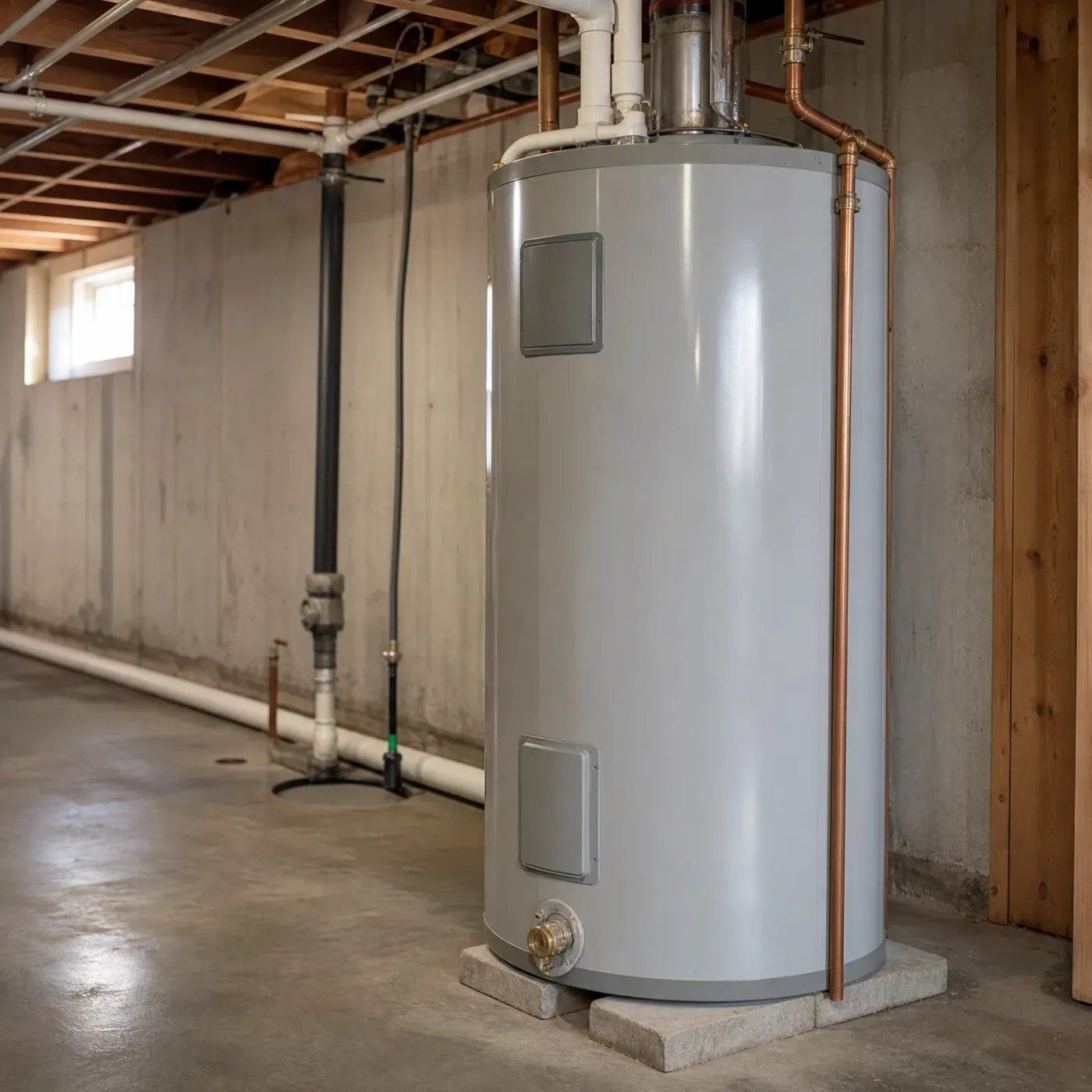
Most Connecticut homes do better with gas, if gas is already run to the house. A gas water heater costs less to run here because electric rates in this state are among the highest in the country, and recovery is faster, which matters when a houseful of people wants hot water back to back. If your home has no gas line, electric is still a solid choice, just a costlier one to run month to month. A heat pump water heater is worth a look too, since it uses a fraction of the power a standard electric tank does, though it needs space around it and a warmer spot like a basement to work well. The right call depends on what's already hooked up at your house, what fuel lines you have, and how much hot water your household actually uses.
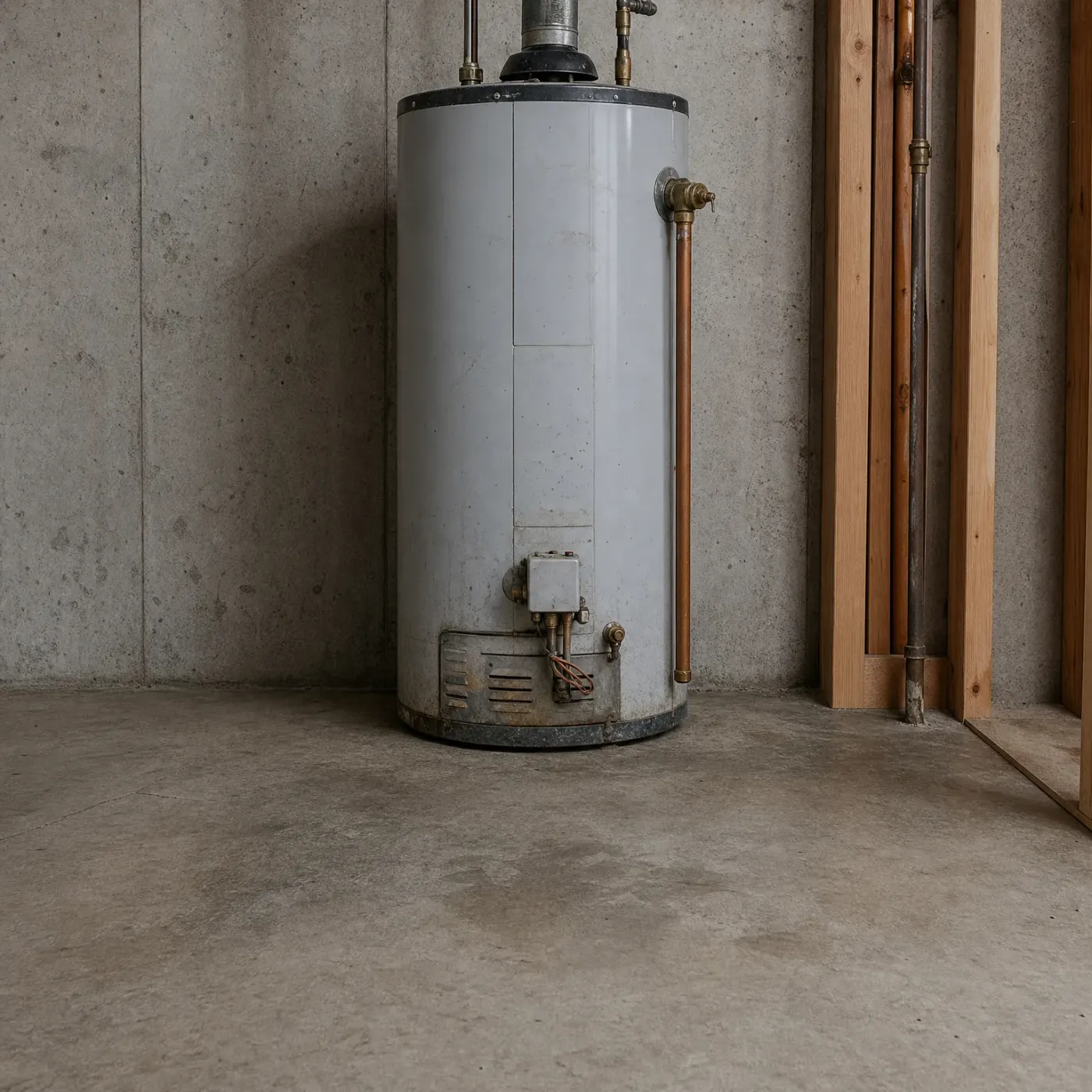
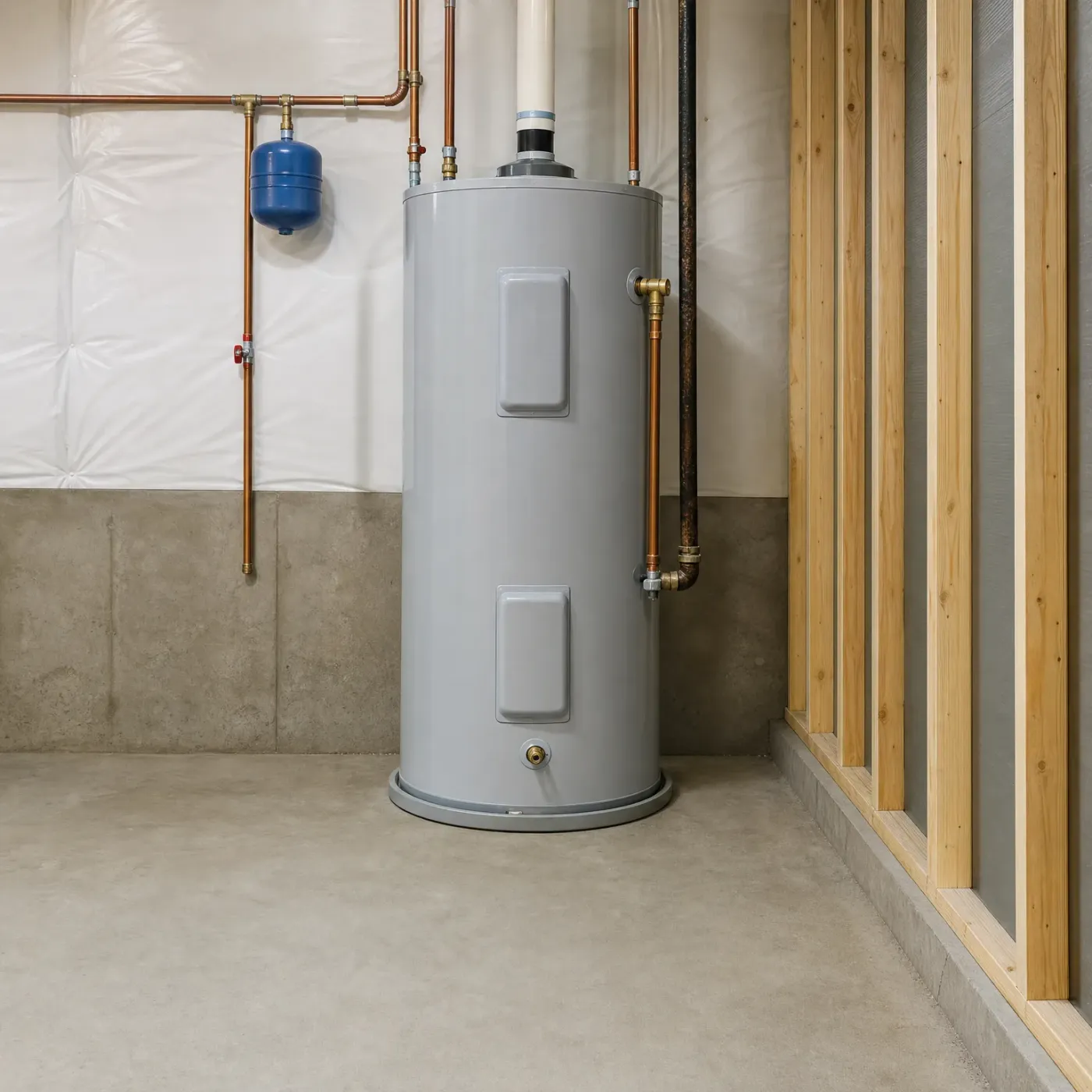
Connecticut's electric rates are among the highest in the country, and a water heater runs every day of the year, not just in the cold months. An electric tank heats water with resistance elements, the same principle as a toaster, and that draw shows up on the bill every time the tank recovers after a shower or a load of laundry. A gas water heater burns fuel that costs less here per unit of heat delivered, so the same hot water costs less to produce. If gas is already run to your house, that difference runs in the background all year, not just when summer humidity has everyone showering twice.
A gas burner heats the water in the tank directly and brings a full tank back up faster than an electric element can. That matters in a house where people are showering back to back, or where a dishwasher runs while someone is doing laundry. An electric water heater can still keep up in a smaller household, but it takes longer to recover between draws, and a houseful of people home at the same time will feel that gap. If your home already has a gas line run to it, that speed comes without adding new fuel infrastructure to the property.


Switching the water heater over to gas costs less to run every month than electric, and recovery is faster when the shower's been going and the dishwasher's about to start.
Bringing gas to a water heater that never had it means new gas line work first. For most homes here, a high efficiency electric unit is the simpler path.




Only one pro gets your request, so you hear from one company.
Send the request and finding a pro stops being your problem.
Sending the form costs nothing.
A plumber checks your gas line size or electric panel capacity
The old water heater gets disconnected and drained
The new unit is set, vented, and connected to the line
The system is filled, tested, and the temperature is set
At that rate, every shower and load of laundry run through an electric tank costs more than it would on gas. Keeping an electric water heater means that 29.31 cents a kilowatt-hour follows your household's hot water use all year, not just in winter.
EIA-861 2025 statewide residential average
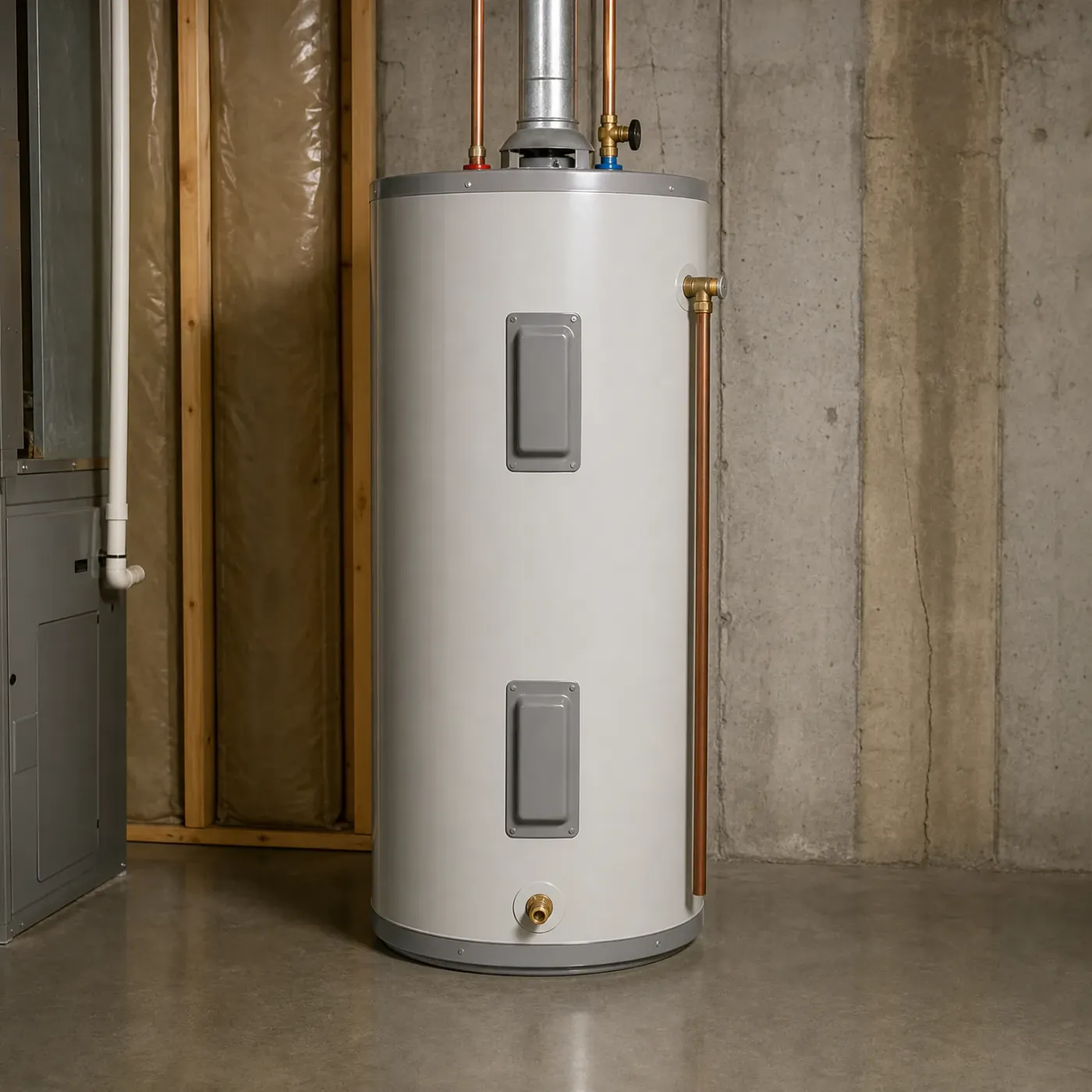
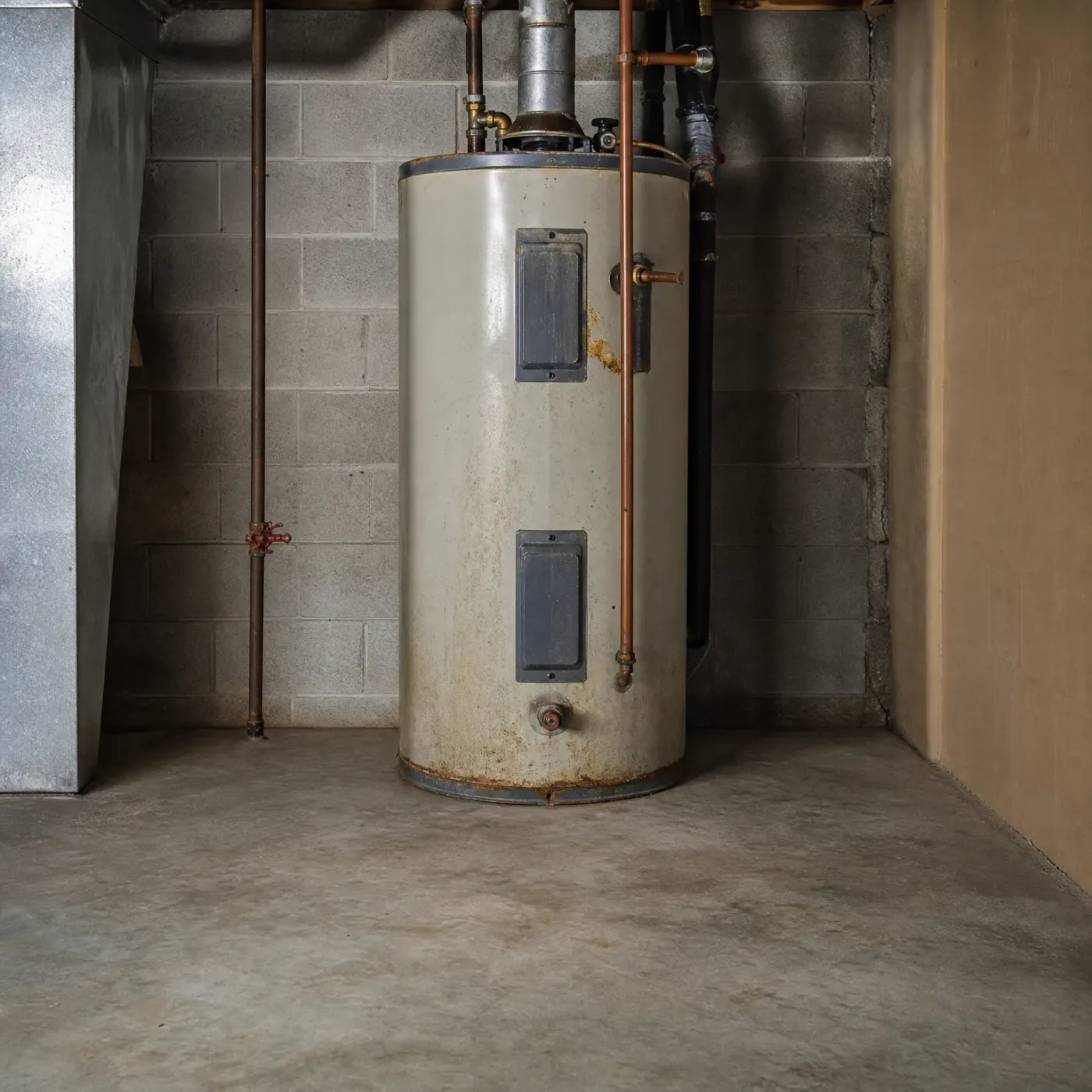
If gas already runs to your house, it costs less to run than electric, month after month, in a state where electric rates sit near the top of the country. If it doesn't, electric is the right call, and a good install still gets you a tank that recovers well and holds up. Either way, the answer isn't a guess. A plumber checks your gas line size or your electric panel capacity first, and that's what decides the unit, not a preference for one fuel over the other.
From there the work is straightforward. The old tank comes out, the new one goes in, vented and connected properly, then filled and tested before anyone turns on a tap expecting hot water. What makes the difference is who does it. A plumber who installs water heaters in Connecticut homes all year has seen which tanks hold up through a humid summer and a cold snap, and which ones fail early, and that's not something you can read off a spec sheet.
You're matched with one licensed plumber local to you, not a list of companies competing for the job. That means one person who knows the equipment and the house, not a round of calls to sort through. Once the new unit is set and tested, the water heater goes back to being something nobody in the house has to think about. Showers run, the dishwasher runs, and the only thing left is knowing it was set up right the first time.





Your request stays with one local pro.
You're not committing to anything by asking.