



A large gray cylindrical gas water heater with copper and black pipes and a flue stack, standing on a concrete pad against a concrete wall, with a dark metal shelving unit in the background.

One form, no calling around

How often to flush a water heater in Connecticut

Connecticut water has enough sediment that tank water heaters need a flush on a schedule, not just when trouble shows up. This page gets into how often and why hard water and your tank's age change the answer. Skip the search for a plumber who'll fit it in, explain the tank over the phone, and sort through quotes. One local contractor who services water heaters all year gets the details straight from you.

Skip calling around

Once a year is the rule for a water heater in Connecticut. Sediment settles to the bottom of the tank from the minerals in the water, and over a year it builds up enough to matter. That layer sits between the burner or the heating element and the water itself, so the tank has to work harder and longer to heat the same amount of water. Left alone for several years, the buildup hardens and gets harder to flush out, and it can shorten the life of the tank. If your water is harder than most, or your water heater runs on well water rather than a town supply, flushing it every six months is worth doing instead. The flush itself means draining the tank fully and running fresh water through until it comes out clear. A tank that's never been flushed often needs more than one pass the first time around.

A smiling woman with dark shoulder-length hair in a cream V-neck sweater sits at a marble counter with a glass of red wine, with a kitchen and softly lit living room behind her.
A woman in a dark green sweater laughs while seated at a marble kitchen island with a glass of red wine, with open shelving, cabinets and a living room visible behind her.
A woman with long dark hair in a cream knit sweater laughs while looking off to the side, seated at a counter with a glass of red wine, in a dimly lit living room with a sofa, lamp, framed pictures and houseplant behind her.
A smiling woman with long dark hair in a beige sweater sits at a marble kitchen counter with a glass of red wine, with a dimly lit living room behind her.

Flush Every Year, or Let It Ride

Flush yearly

  • Sediment gets cleared before it hardens into the kind of scale that sits on an electric element or glazes over a gas burner.
  • The tank keeps its full gallons, so the shower at the end of a Saturday still runs hot.
  • A gas burner heats water straight through instead of firing longer to push heat past a layer of grit.
  • A plumber doing this every year sees the drain water clear fast and knows the tank is in good shape.
  • Catching a fraying anode rod or a weeping drain valve during the flush costs you a part, not a tank.

Skip it

  • Sediment keeps settling and packs down harder, so a flush a few years out can take longer to clear.
  • An electric element buried in scale works harder to heat the same water, and that shows up on the bill.
  • A gas burner firing against a sediment layer runs longer each cycle than it would on a clean tank.
  • A thick layer at the bottom can scorch or crack a tank over time, cutting short a unit that could have lasted longer.
  • Once sediment cakes on, a routine flush turns into a longer job, and in some cases the valve won't clear it at all.
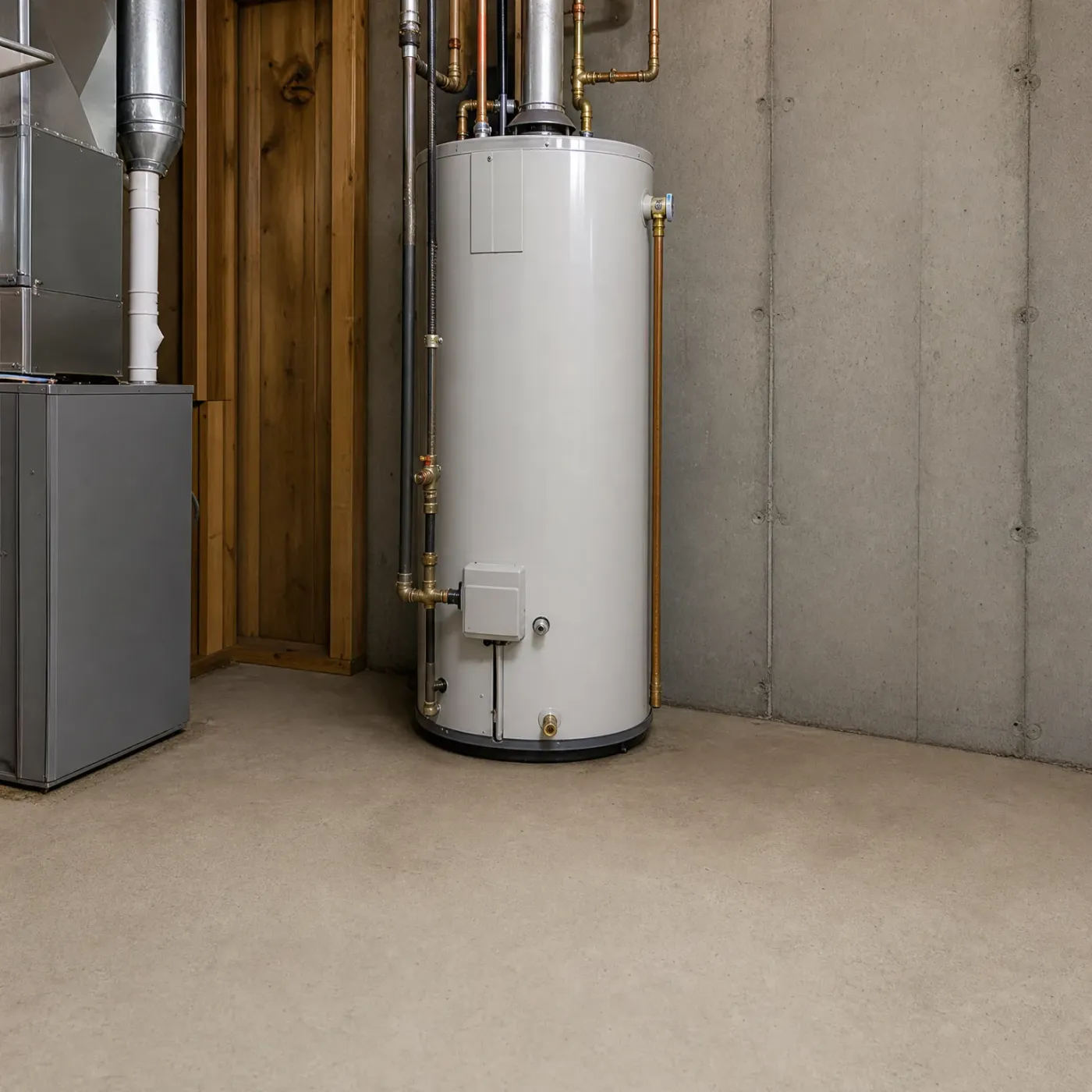
A white cylindrical gas water heater with copper and steel pipes stands against a concrete basement wall beside a gray furnace and wood-paneled wall.

Flushed on schedule

This is what a tank looks like when it gets flushed once a year. The gas burner underneath heats the water directly, with nothing sitting between the flame and the tank floor. The lines running to the ceiling stay clean, and the tank holds its full capacity, so hot water doesn't run short.
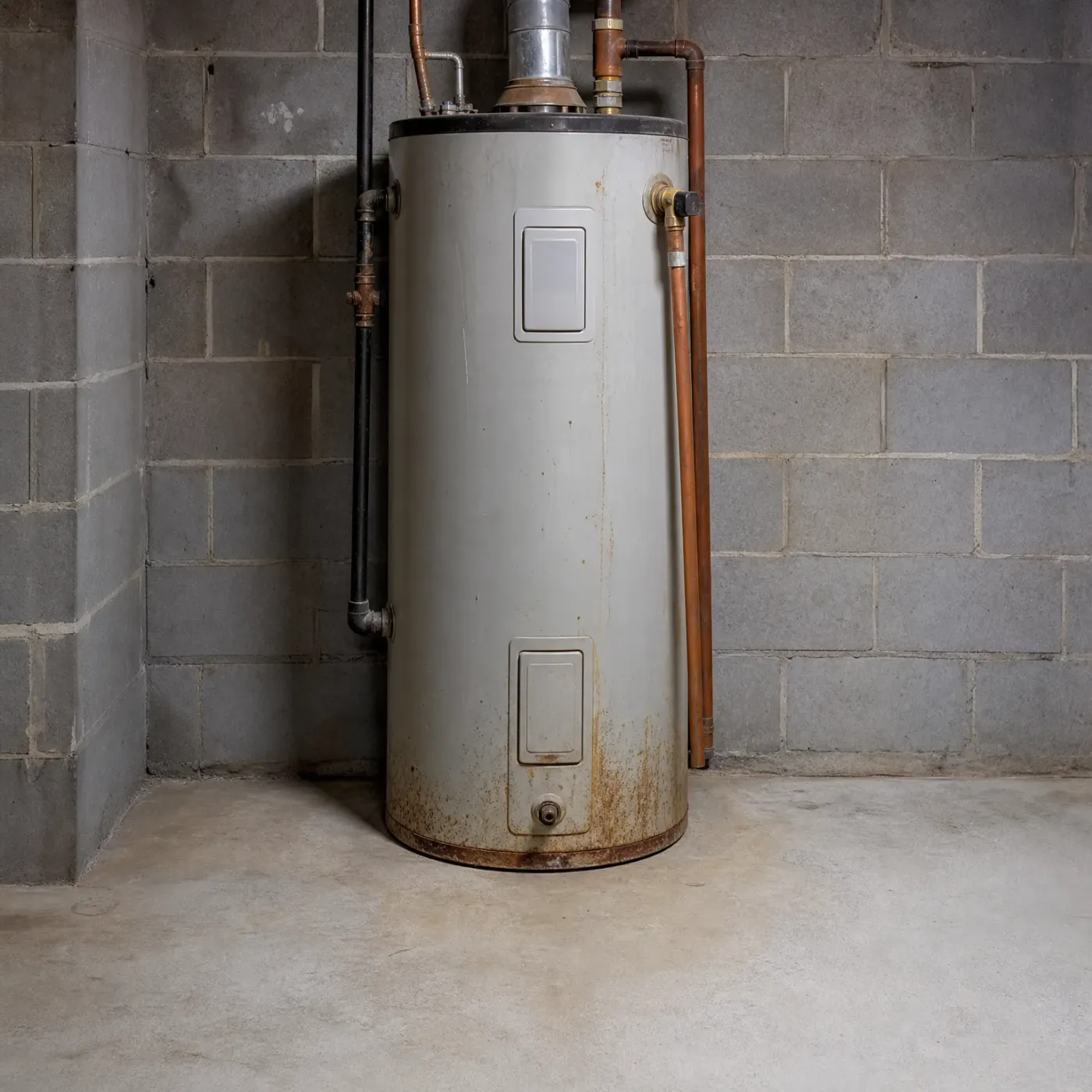
A rust-streaked cylindrical water heater with copper and black metal pipes stands in a concrete-block basement corner on a bare concrete floor.

Years without a flush

Sediment that never gets cleared settles into scale, and scale traps moisture against the metal. That's what's eating through the base and the seams on this one. Once rust works through the tank wall, the leak doesn't stop, and the tank gets replaced instead of serviced.

What actually happens inside the tank when sediment builds up?

You know sediment is a problem, and you know to flush once a year, but it helps to picture what's actually going on down in the tank between flushes. Water in Connecticut carries enough dissolved minerals that something is settling out all the time, not just once a year when it's convenient to think about it.

Sediment settles in a layer, then bakes onto the bottom of the tank

Minerals in the water don't stay mixed in. They drop to the bottom of the tank and sit there as loose grit at first. Every time the burner or the heating element fires, that layer gets heated along with the water, and over months it starts to harden. Loose sediment can still be flushed out. Hardened sediment turns into scale that clings to the tank floor or coats an electric element, and a flush has a harder time moving it. On a gas water heater, that layer also sits between the flame and the water it's supposed to heat, so the burner works through the sediment before the heat even reaches the tank.

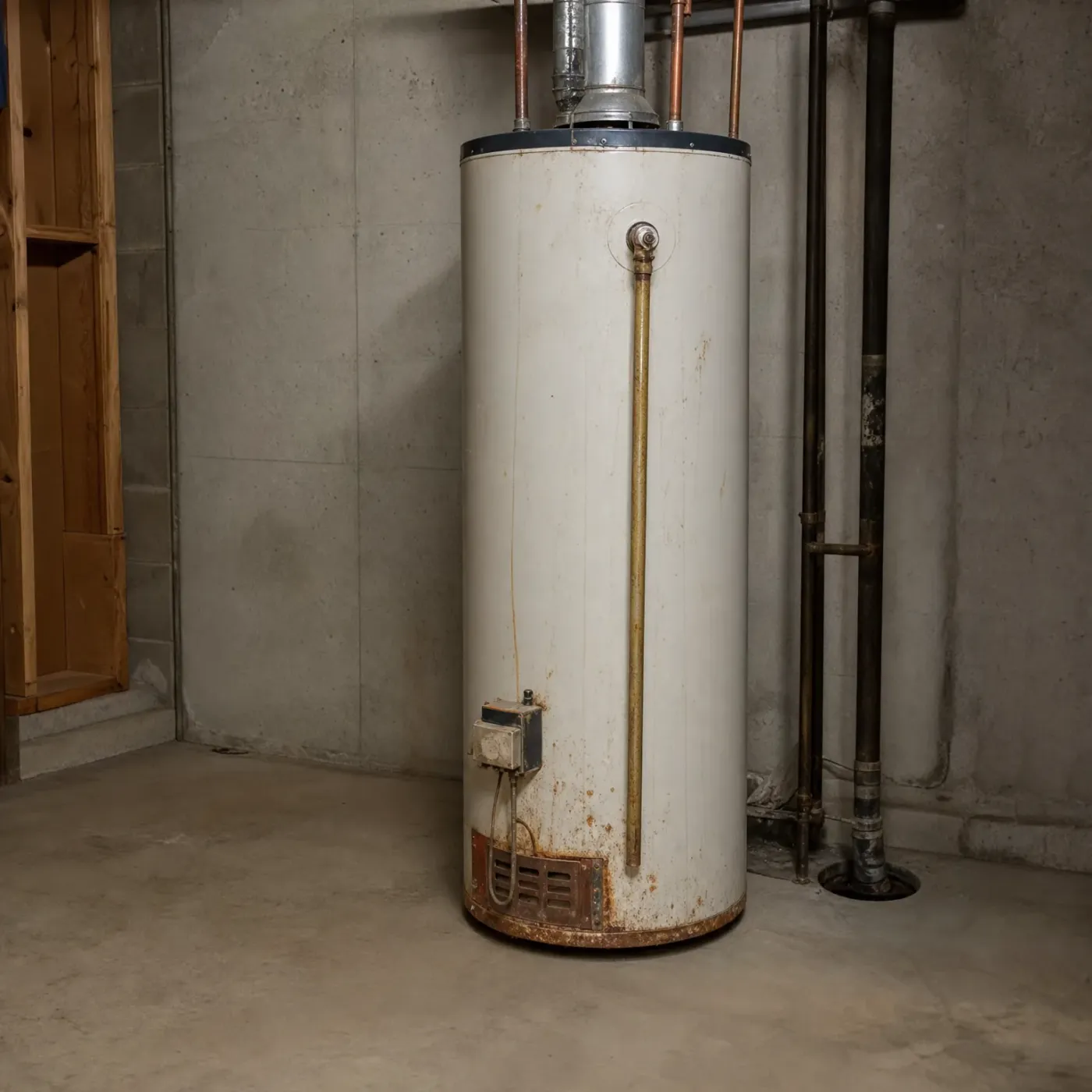
An older white gas water heater with rust staining and an exposed vertical pipe stands against a concrete block basement wall, with a metal flue above and black vertical pipes to the right.
Before you get your water heater maintenance
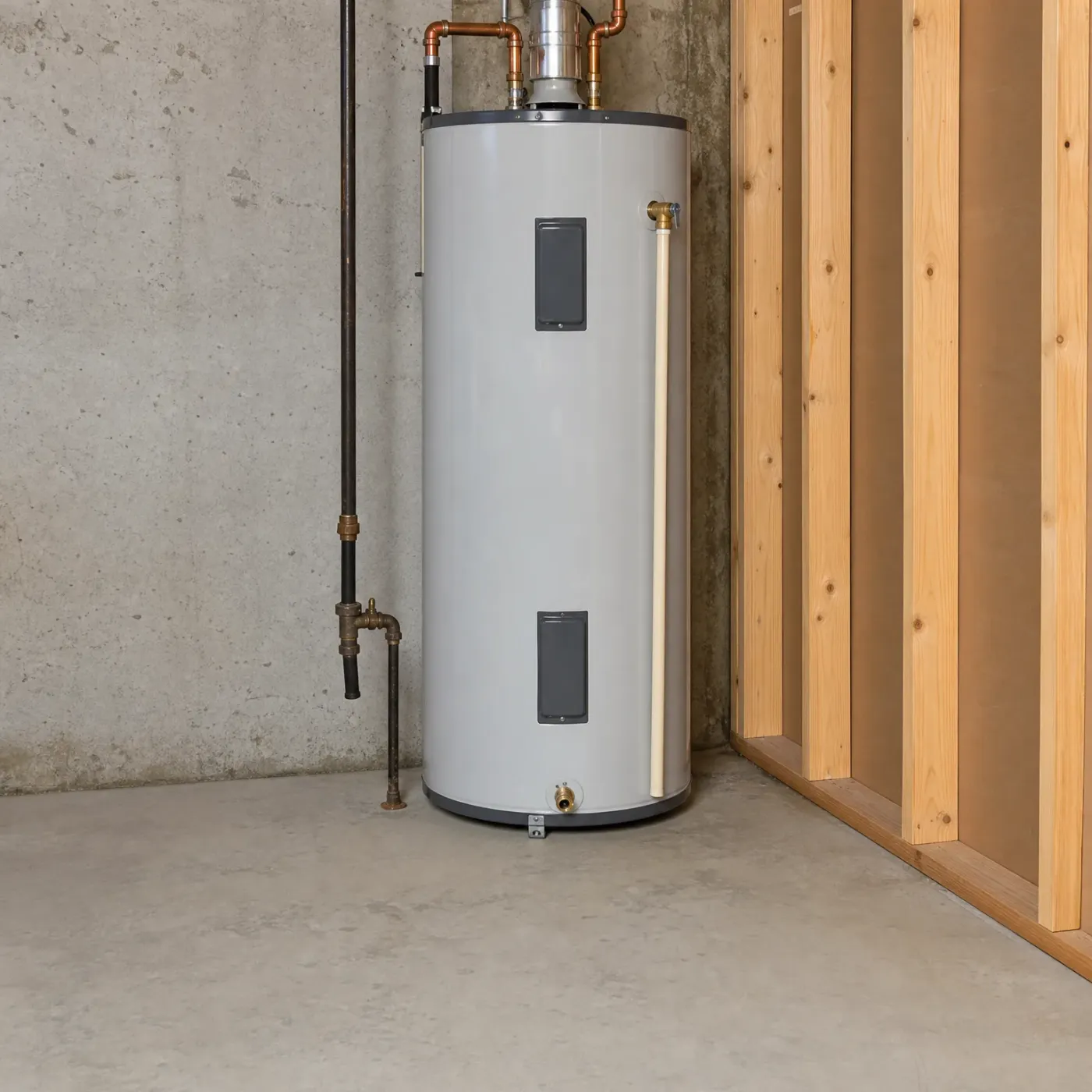
A light gray cylindrical water heater with two access panels stands on a concrete floor against a concrete wall, with copper and black pipes beside it and an unfinished wood stud wall to the right.
After you get your water heater maintenance

Skip the search

Finding someone to do this flush is its own chore. You end up searching for plumbers, calling a few, explaining the same thing about your tank each time, then sitting with quotes trying to figure out who actually knows water heaters instead of just saying they do. A request here goes to one licensed Connecticut plumber, not five companies working your number at once, and that plumber is someone who flushes tanks in this state's water all year and knows what a neglected one usually looks like underneath, whether it's a gas burner caked with scale or an electric element shortened by sediment. You still have to get the flush done and keep it on a yearly schedule. What you don't have to do is spend an afternoon finding who to call about it.

A gas water heater left unflushed starts to make a popping or rumbling sound as it heats. That's water trapped under the sediment layer, turning to steam and pushing through.

The noise doesn't go away on its own, and the sediment causing it doesn't either. Flushing the tank clears it out and quiets the burner down.

Power costs 29.31 cents per kilowatt-hour statewide

An electric water heater sits behind that 29.31 cents all year, and sediment on the element makes it work harder to hit the same temperature. The flush isn't about the rate. It's about not paying that rate for longer than the water needs to run.

EIA-861 2025 statewide residential average

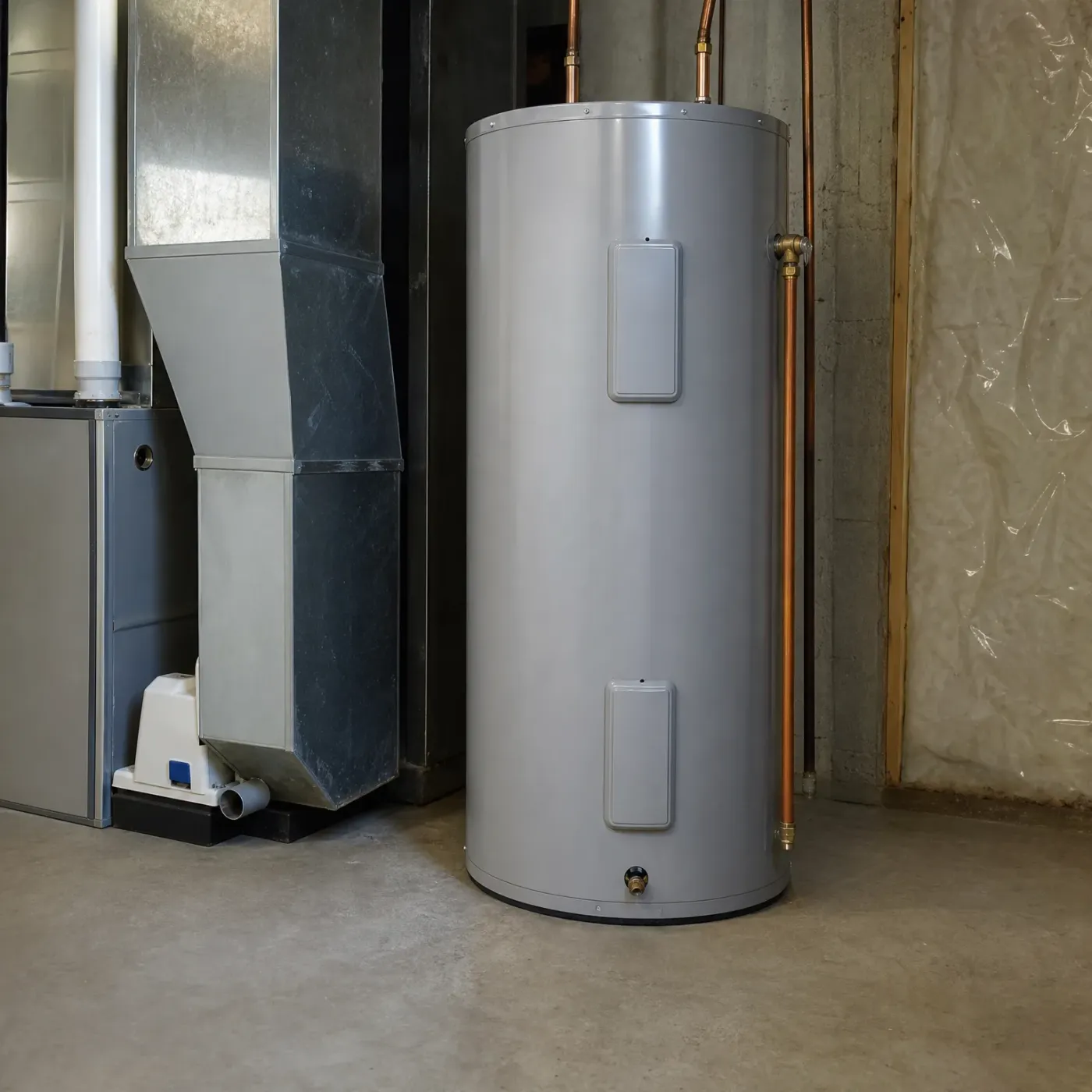
A gray cylindrical electric water heater with two access panels stands on a concrete floor in a basement, with copper pipes above and behind it, sheet-metal ductwork and a furnace to the left, and a plastic-covered insulated wall to the right.

Working the way it should

Copper supply lines and brass fittings feed this tank, and nothing about it asks for attention. A flush once a year keeps the bottom of the tank clear, so the burner or element underneath is heating water, not pushing through a layer of sediment first.

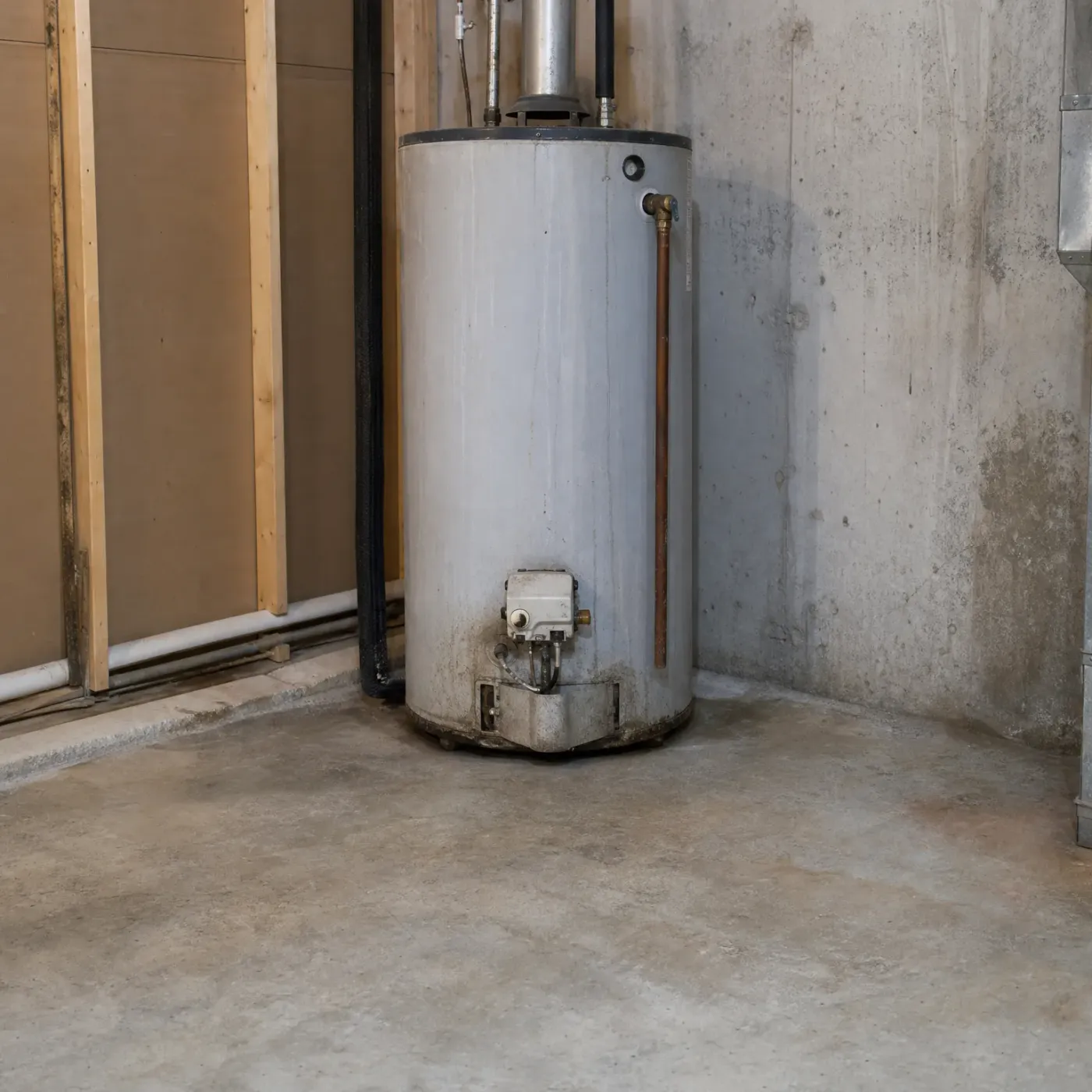
An older gas water heater with a copper pipe and flue stands on a concrete floor in a basement corner between a bare concrete wall and an unfinished wood-framed wall.

Years without a flush

Rust has worked its way around the base and the burner assembly, and the grime built up there doesn't happen in one season. A tank that goes years without a flush is carrying sediment that's hardened past the point a flush alone clears it out.

A smiling bearded man in a navy crewneck sweater sits at a dinner table with a glass of red wine, plates and glasses in the foreground, in a dimly lit room with a lamp and framed picture behind him.
A woman in a dark gray sweater reclines on a light sofa with eyes closed and a slight smile, under a textured gray blanket with an open book resting on her lap, with a lit table lamp and plant in the background.

Once a Year, No Guessing

  • Once a year keeps the sediment layer thin enough that the burner or element underneath is still heating water, not fighting through scale.
  • A tank left two or three years past its last flush often has sediment packed hard enough that a standard flush won't fully clear it.
  • A plumber who services tanks all over Connecticut all year knows which neighborhoods have harder water and flush those tanks more carefully as a matter of habit.
  • One licensed, local contractor takes the job, so you're not fielding calls from three different companies about the same tank.
  • The popping, the shrinking hot water supply, the electric bill creeping up all trace back to the same layer of sediment a yearly flush prevents.
  • Where you stand after reading this: flush once a year, and call sooner if the tank's already making noise or running short.

The answer this page set out to give is simple. Flush your water heater once a year. Connecticut's water carries enough mineral content that sediment collects on its own schedule, whether or not the tank ever gives you trouble, and a yearly flush is what keeps that layer from turning into the kind of scale that sits on an element or glazes a burner. Wait two or three years and a standard flush may not fully clear what's built up by then.

A plumber who works on tanks across Connecticut all year has a sense for this that's hard to get any other way. Some towns run harder water than others, and a contractor who's flushed tanks in both knows to spend more time on the ones that need it. That's not something you can tell from a brochure. It shows up in how the job actually gets done.

When you put in a request here, it goes to one licensed, local contractor, not a handful of companies competing for the same job. You explain your situation once. No sorting through quotes, no repeating yourself on the phone to three different offices. The popping sound, the hot water that runs out early, the electric bill that's crept up without explanation all trace back to the same sediment layer a yearly flush is built to prevent. Once a year, and sooner if the tank's already telling you something's wrong. That's where you stand.

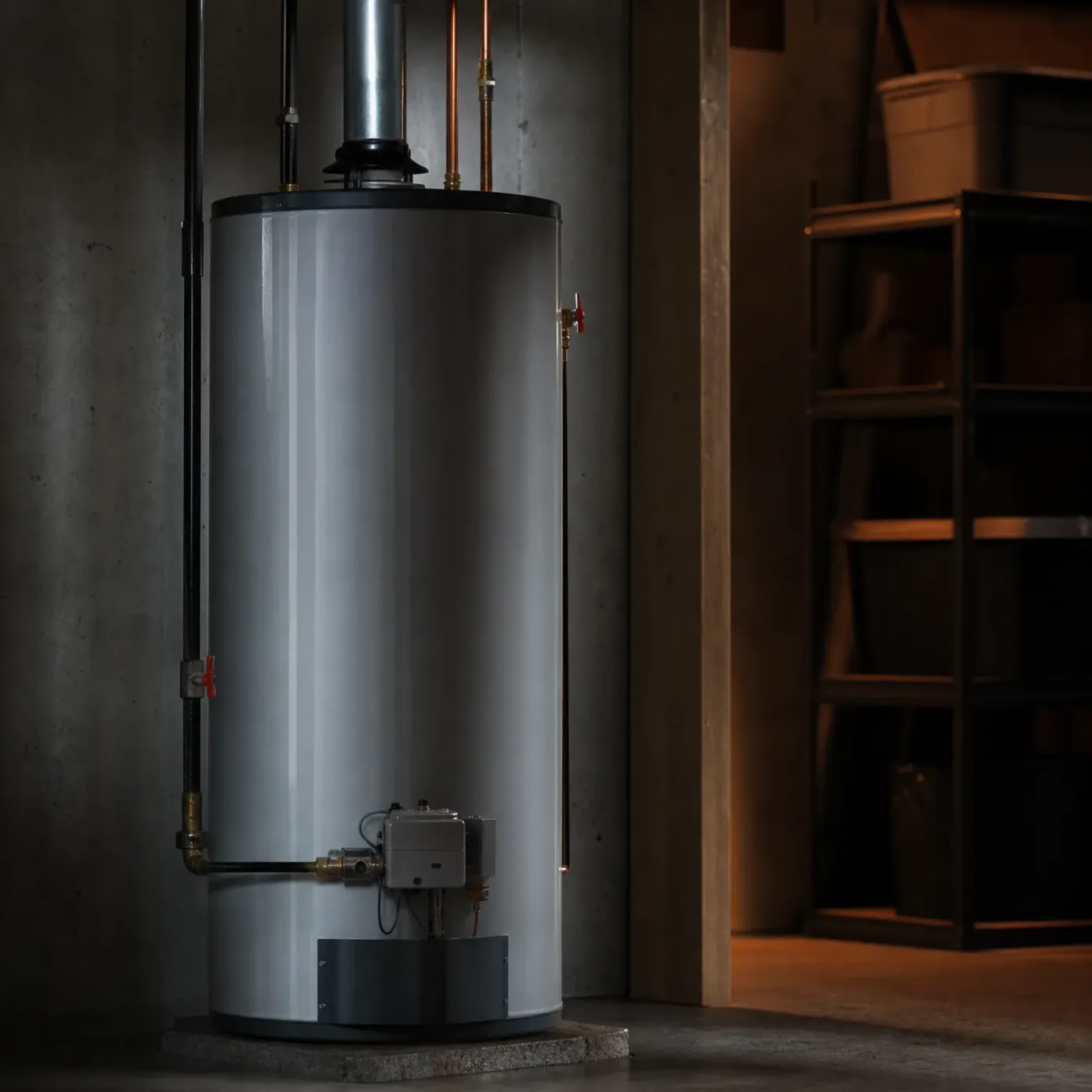
A gray cylindrical water heater with copper pipes and a metal flue stands against a concrete wall in a dim basement with a bare concrete floor.

Explain it one time

The pro who reaches out is licensed in Connecticut.

Step 1 of 3: Equipment