

Working the way it should
A tank with little sediment heats water, cycles off, and stays quiet. The pressure relief valve and fittings stay dry and sound. There's nothing happening inside the tank that you'd notice from across the basement.

You hear it most when the tank is heating up, a popping or rumbling sound coming from inside. It's not constant, but it's loud enough that you've started to wonder if something is about to fail on you, especially with Connecticut winters putting real demand on the system.
Water carries minerals, and over time they settle out and form a layer on the bottom of the tank. When the burner or heating element fires, water gets trapped under that layer and turns to steam. The popping you hear is that steam breaking through. Connecticut water tends to run hard, so the layer builds faster here than it would with softer water. The noise alone won't stop your tank from heating water, but a thick layer makes the heater work harder to get the same result, and that shows up on a power bill that's already steep in this state. Left alone long enough, that same buildup can wear through the tank from the inside.
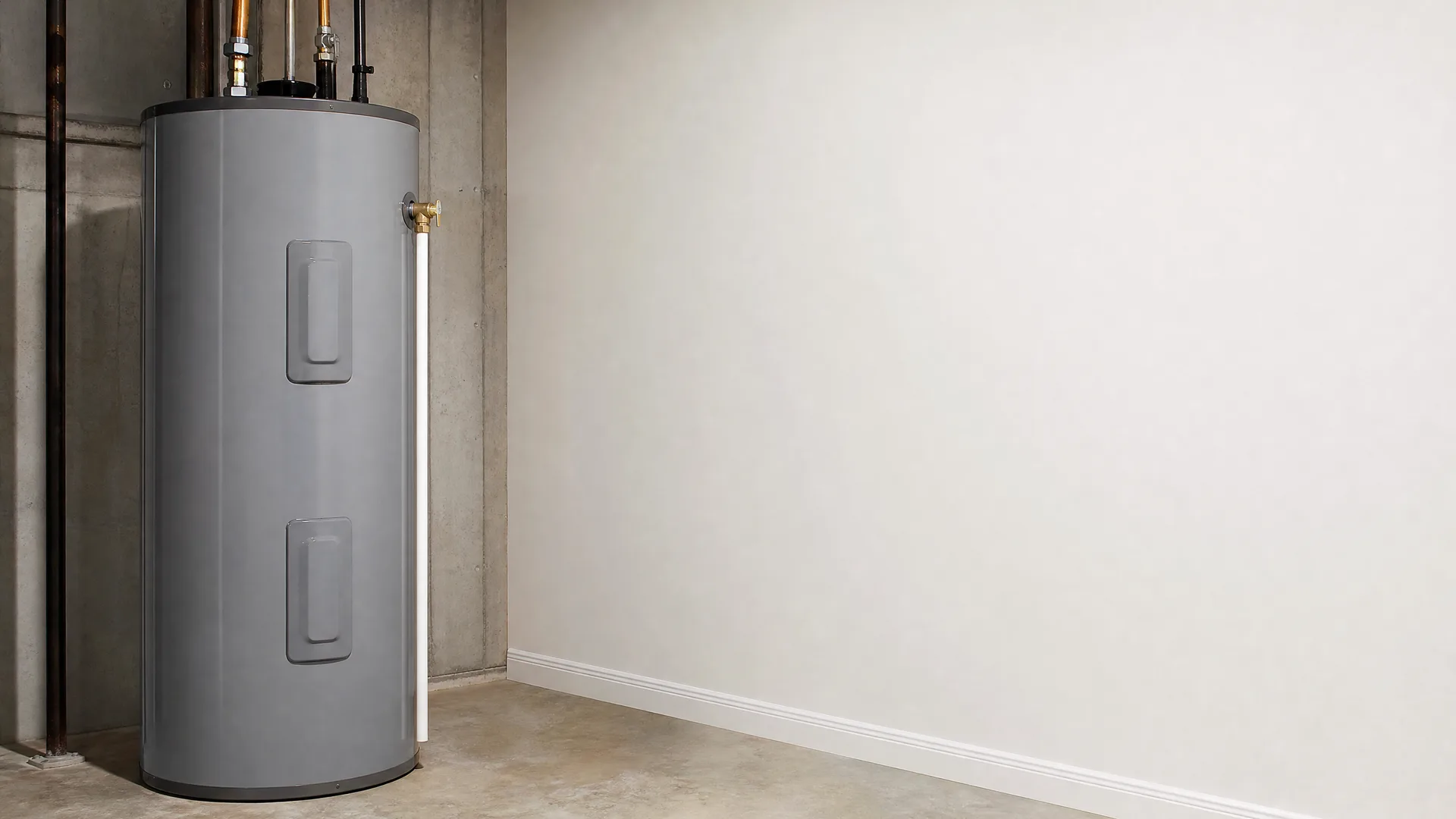
Sediment settles at the bottom of the tank, below the burner or heating element. When the water underneath that layer heats up, it turns to steam and pushes up through the sediment to escape. Each bubble breaking through makes a pop or a rumble. The harder your water is, the faster that layer builds, and Connecticut's water runs hard enough in a lot of towns to speed this along. The tank still heats the rest of the water normally, which is why this can go on for months before anything else changes.

That sediment sits between the burner and the water, so the burner has to run longer to get the same water hot. With power rates in Connecticut among the highest in the country, a few extra minutes on every cycle shows up on the bill fast. The noise usually shows up before the tank struggles to keep up with a full house, so this is often the cheapest point to deal with it. Left alone, the same layer that causes the popping is what wears a hole in the tank over time.




Your request stays with one local pro.
You're not committing to anything by asking.
Connecticut's water carries dissolved minerals, and every time the tank heats a new batch, some of that mineral content settles out and drops to the bottom. It doesn't wash away on its own. It sits there, and the next cycle adds another thin layer on top of the last one. A gas tank has its burner right underneath, so that's exactly where the layer forms first, between the flame and the water it's supposed to be heating. An electric tank works differently but ends up in the same spot: the lower heating element sits down in the tank, and sediment buries it the same way, trapping water against the hot metal until it flashes to steam and pops through. Neither type sheds that buildup by itself. The sediment just keeps collecting, cycle after cycle, for as long as the tank runs without being drained. A tank set above 120 degrees makes the problem move faster, since the extra heat bakes that layer into something harder and more compact instead of leaving it loose. That's also why the popping tends to get louder as the months go by rather than staying the same. It's not that something new is wrong. It's that the same process has had more time to work, and more sediment means more trapped water turning to steam with each heating cycle. A tank that's gone a year or more without a flush is almost always the one making the most noise.
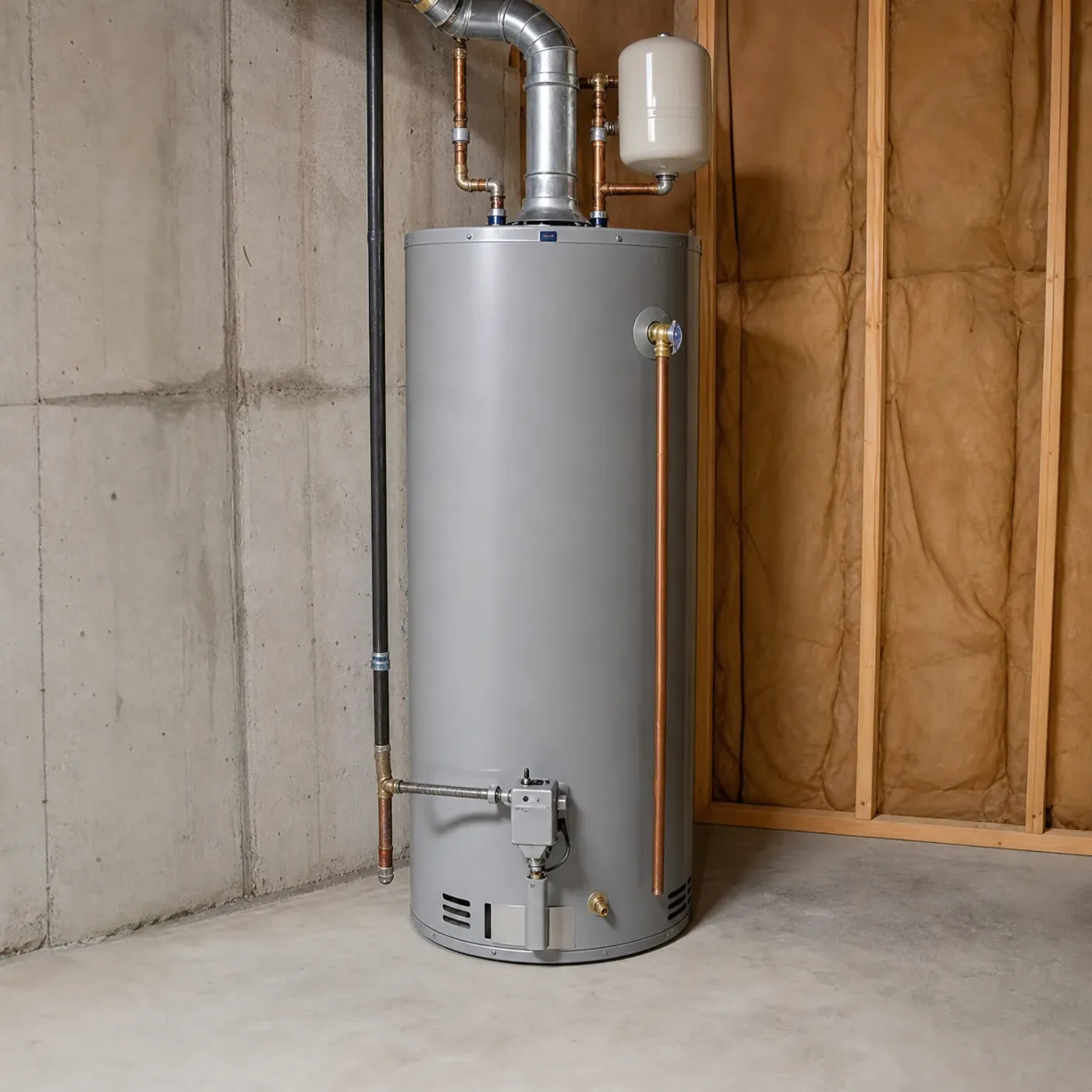
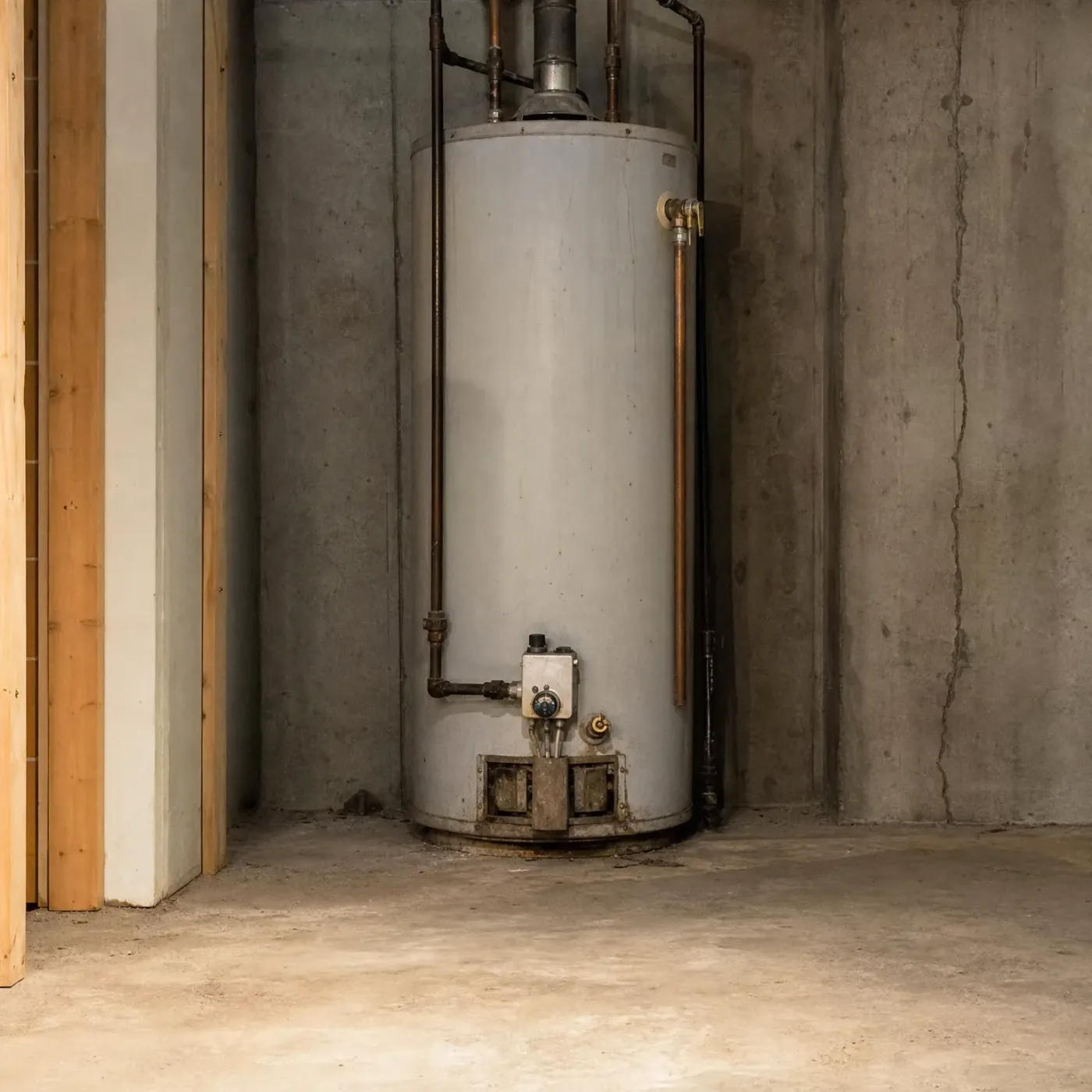
Cold water enters the tank and sinks to the bottom
The burner or element fires and heats the water above the sediment layer
Water trapped under the sediment turns to steam as it heats
Steam forces its way up through the sediment layer
You've probably noticed the burner running longer than it used to, or the pilot light area staying lit for a stretch before it shuts off. That's the sediment making the tank work harder to get the same water hot. Some households notice the tank taking longer to recover between showers, especially if more than one person is getting ready back to back. Left alone long enough, that layer of sediment can trap heat against the tank wall and wear at it from the inside, which is how a popping tank eventually turns into a leaking one. You're not imagining the sound, and you're not wrong to want it checked before it costs you a tank instead of a flush.
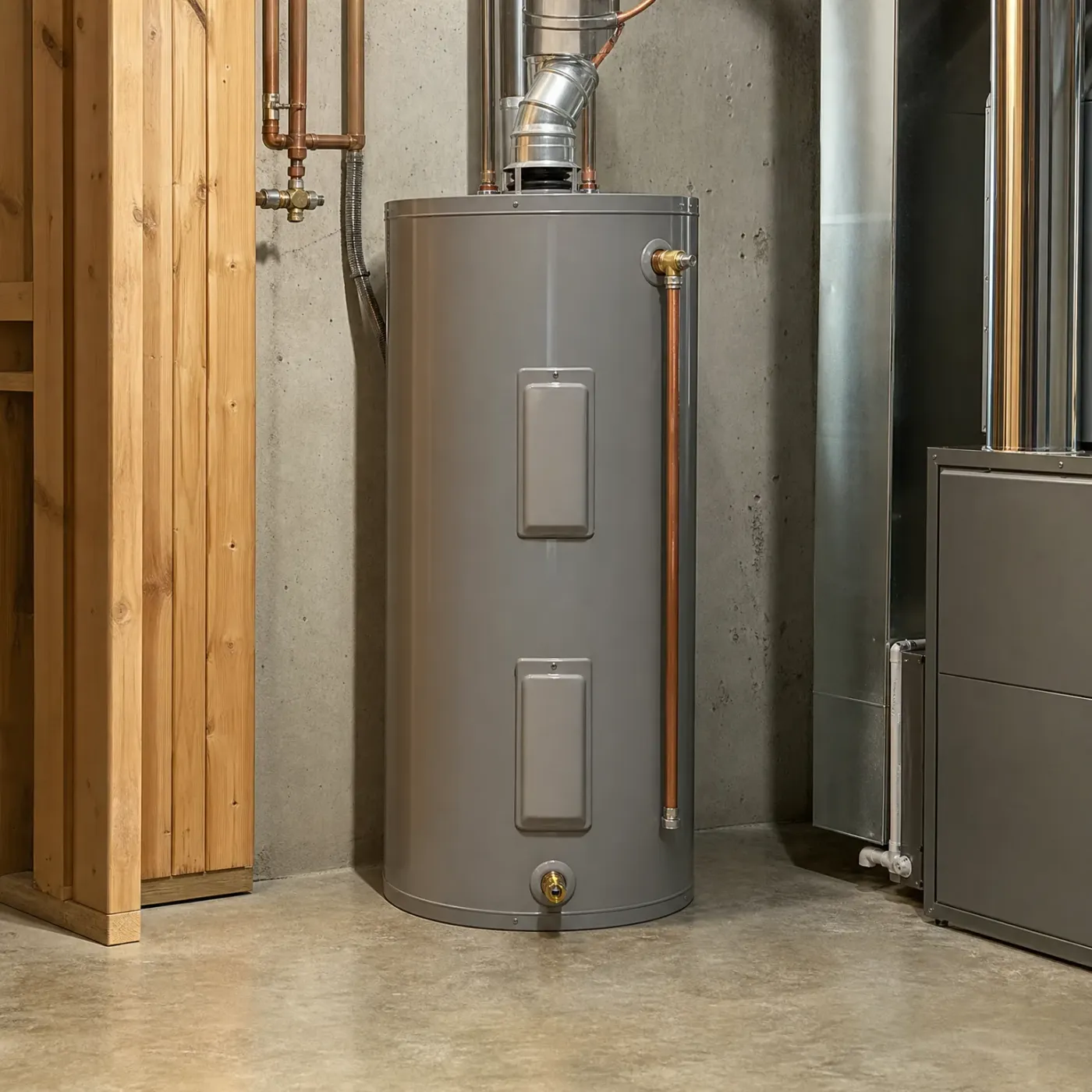
A tank with little sediment heats water, cycles off, and stays quiet. The pressure relief valve and fittings stay dry and sound. There's nothing happening inside the tank that you'd notice from across the basement.
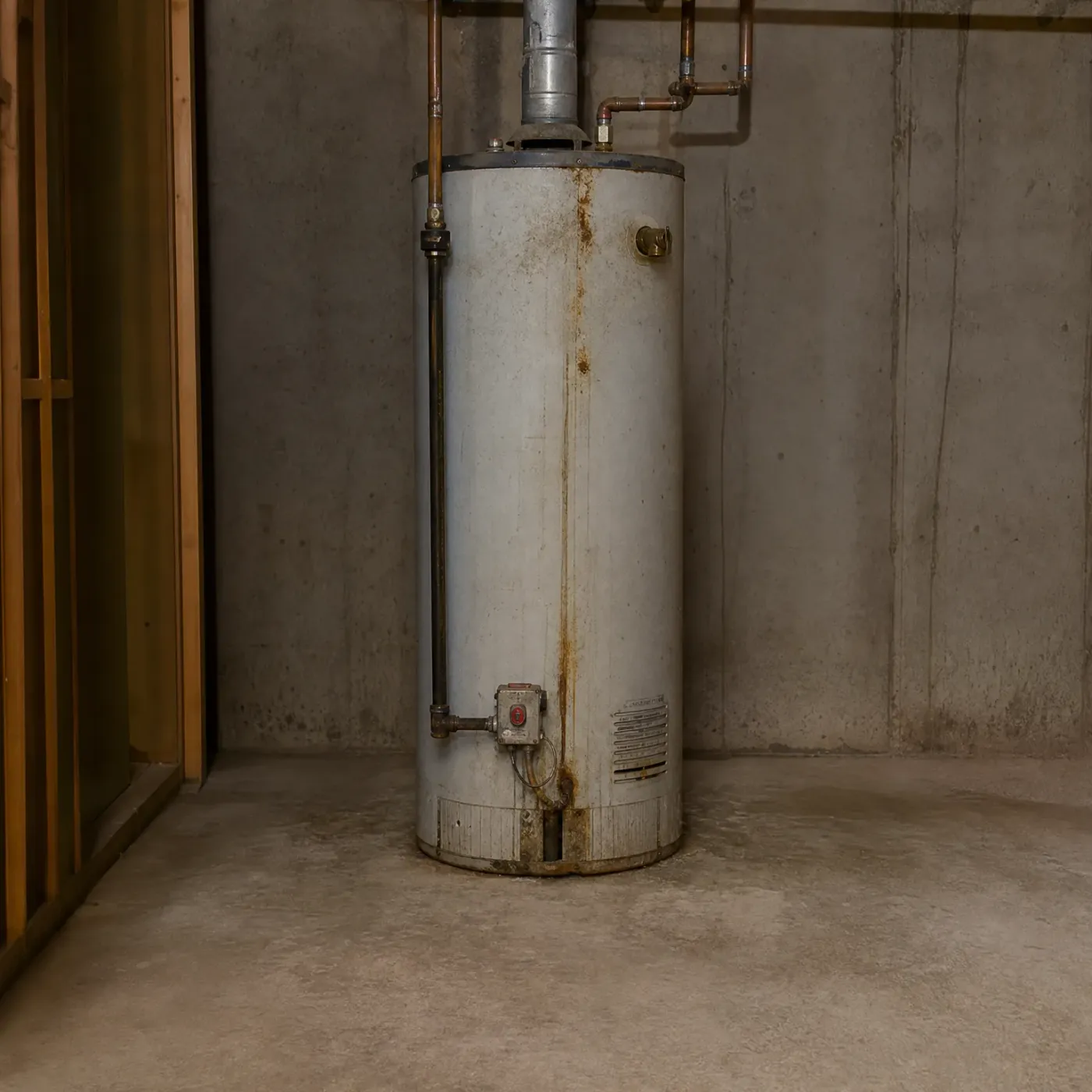
Rust like this on the outside often means the tank's taken damage on the inside too, where you can't see it. Years of popping usually mean years of sediment, and a tank in this shape is closer to a leak than a flush is going to fix.
At 29.31 cents per kilowatt-hour, an electric water heater running its element longer to push heat through a layer of sediment costs you more here than almost anywhere else. That extra run time is money leaving the house quietly, every time the tank cycles.
EIA-861 2025 statewide residential average
The popping is sediment at the bottom of the tank, and it means the tank is working harder than it should to heat the same water. It won't stop on its own, and the layer only builds from here. A flush clears it out, and if the tank's old enough that sediment has fused to the bottom or a fitting's showing wear, that's worth knowing before you spend money on a flush that won't hold. A plumber who works on tanks across Connecticut all year, through hard water and long summers alike, can tell you which one you're dealing with by looking at it. You'll get matched with one licensed contractor local to you, not a handful of companies competing for the job, so the person who calls you back is the person who'll actually do the work. From there it's off your plate. You asked what the noise was. Now you know, and you know what to do about it.





Your request goes to one pro, not a list of companies.
It costs nothing to send, and you don't have to hire anyone.