Tell us about the job
Takes about a minute. No obligation.
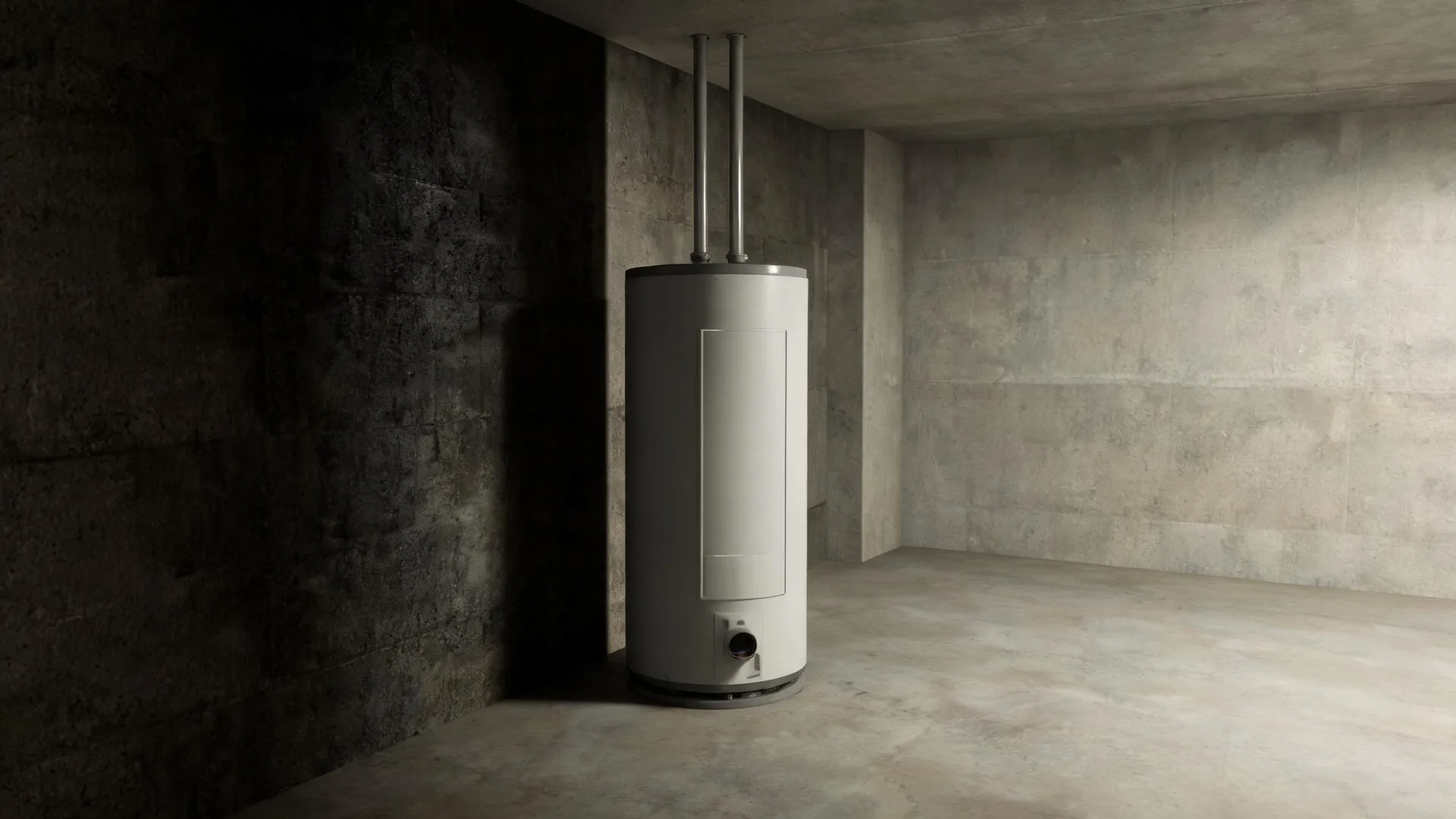
A contractor quoting a water heater replacement here starts with the fuel, not the tank. Fuel oil or kerosene heats more occupied homes in Southeastern Connecticut Planning Region, Connecticut than any other fuel, at 48.6% (2020-2024 ACS 5-year). With oil and kerosene systems, the flue, the draft hood, and the combustion air supply are all part of what gets replaced or rerouted when the unit changes. A heater sized correctly for the household but vented into a flue built for a different appliance will run short and cycle hard. The installer checks what is already in the wall before anything gets ordered.
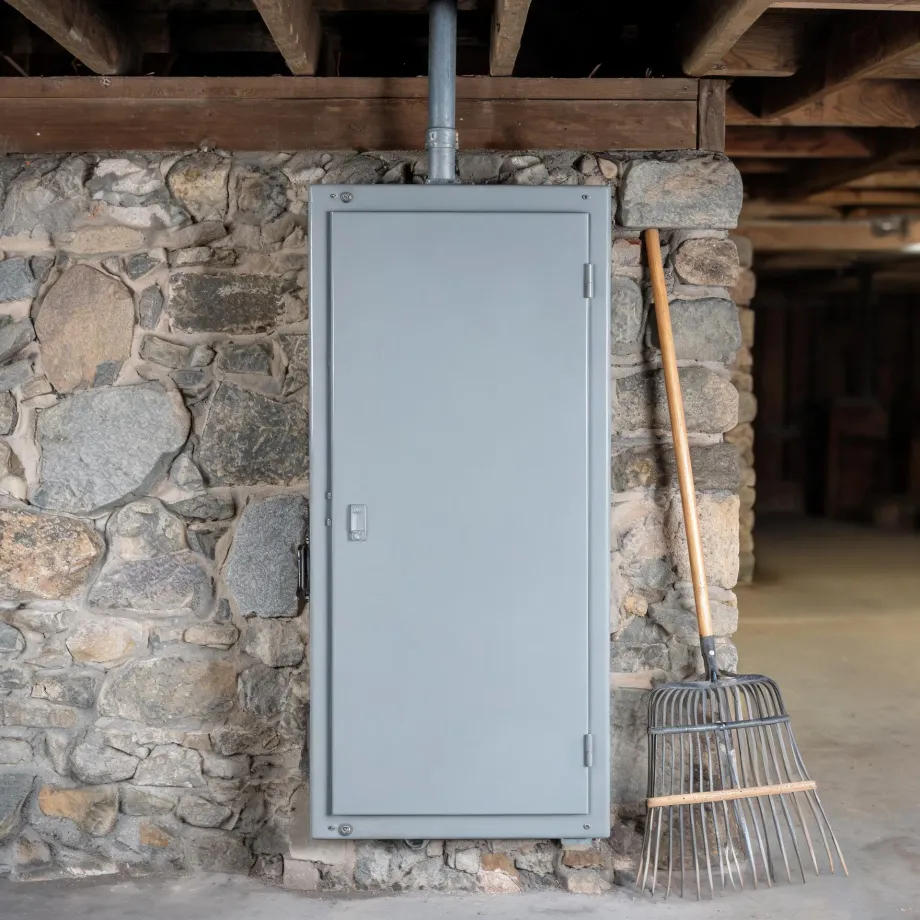
Electrical service sized for an earlier era of appliances is what a water heater installer runs into across a substantial share of this county's housing stock. Half the homes in Southeastern Connecticut Planning Region, Connecticut were built in 1969 or earlier (2020-2024 ACS 5-year). A modern water heater, particularly a heat pump unit, draws more than the circuits in those older panels were laid out to handle, which means a contractor assessing the job has to look at the service panel before anything else gets priced. The equipment itself may be straightforward to place; what the house already carries to it is where the job gets decided.
What a Water Heater Installation Puts in Your Home
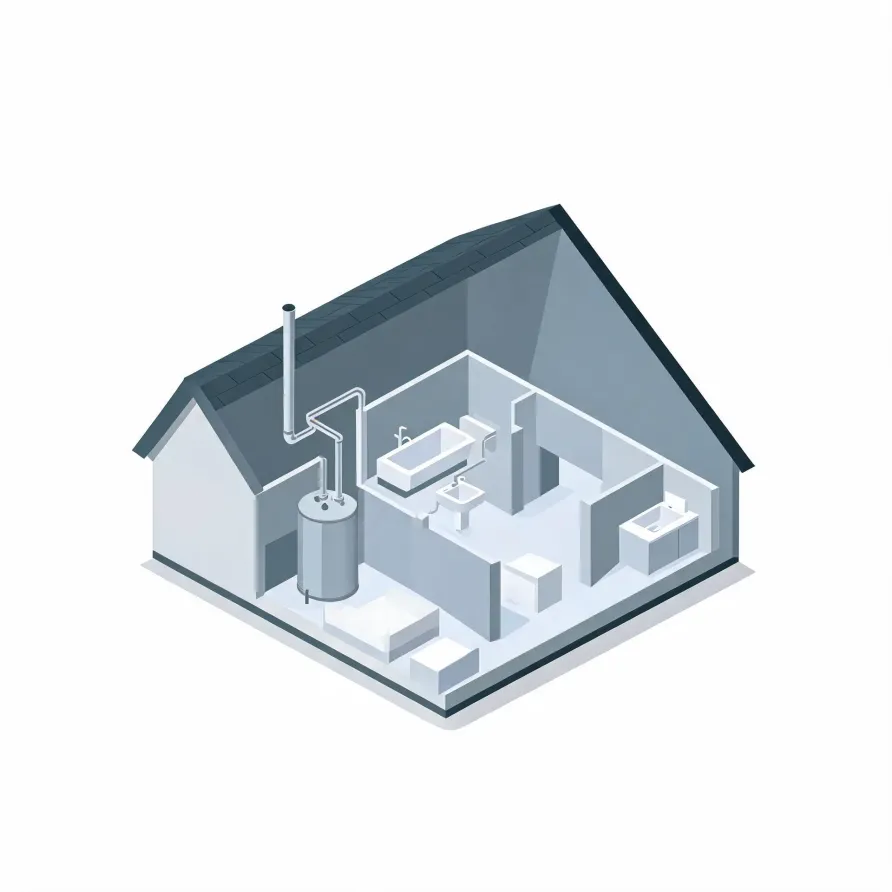
The tank or unit itself is the piece most homeowners notice first. It sits in a utility room, basement, or closet and holds the water that gets heated for every tap and appliance in the house. A contractor sets the unit in its permanent position and connects it to the cold water supply line coming in.
The pressure relief valve mounts directly on the unit and releases if pressure inside rises beyond a safe point. A dedicated shutoff valve sits on the supply line just above the unit, and the flue or venting pipe runs from the top of the unit up and out of the house to carry exhaust gases away.
The drawing shows a general layout of these components, and a licensed contractor determines exactly what applies to the setup in your home.
Find a contractor in Southeastern Connecticut Planning RegionSoutheastern Connecticut by the Numbers
Half the homes in Southeastern Connecticut Planning Region, Connecticut were built in 1969 or earlier (2020-2024 ACS 5-year).
U.S. Census Bureau, 2020-2024 American Community Survey 5-Year EstimatesSoutheastern Connecticut Planning Region, Connecticut holds 126,425 housing units (2020-2024 ACS 5-year).
U.S. Census Bureau, 2020-2024 American Community Survey 5-Year EstimatesOwners occupy 65.1% of the occupied homes in Southeastern Connecticut Planning Region, Connecticut (2020-2024 ACS 5-year).
U.S. Census Bureau, 2020-2024 American Community Survey 5-Year Estimates