Tell us about the job
Takes about a minute. No obligation.
A water heater running on fuel oil or kerosene works its burner, ignition system, and heat exchanger every day of the year, not just through a heating season. Fuel oil or kerosene heats more occupied homes in Lower Connecticut River Valley Planning Region, Connecticut than any other fuel, at 51.7% (2020-2024 ACS 5-year). That steady combustion load deposits residue in the flue passages and stresses the igniter and thermocouple in ways that an electric or gas unit does not share. A contractor repairing a fuel-fired water heater here pulls the burner assembly and checks the heat exchanger before pricing anything else, because those are the parts the fuel's combustion chemistry wears on first.
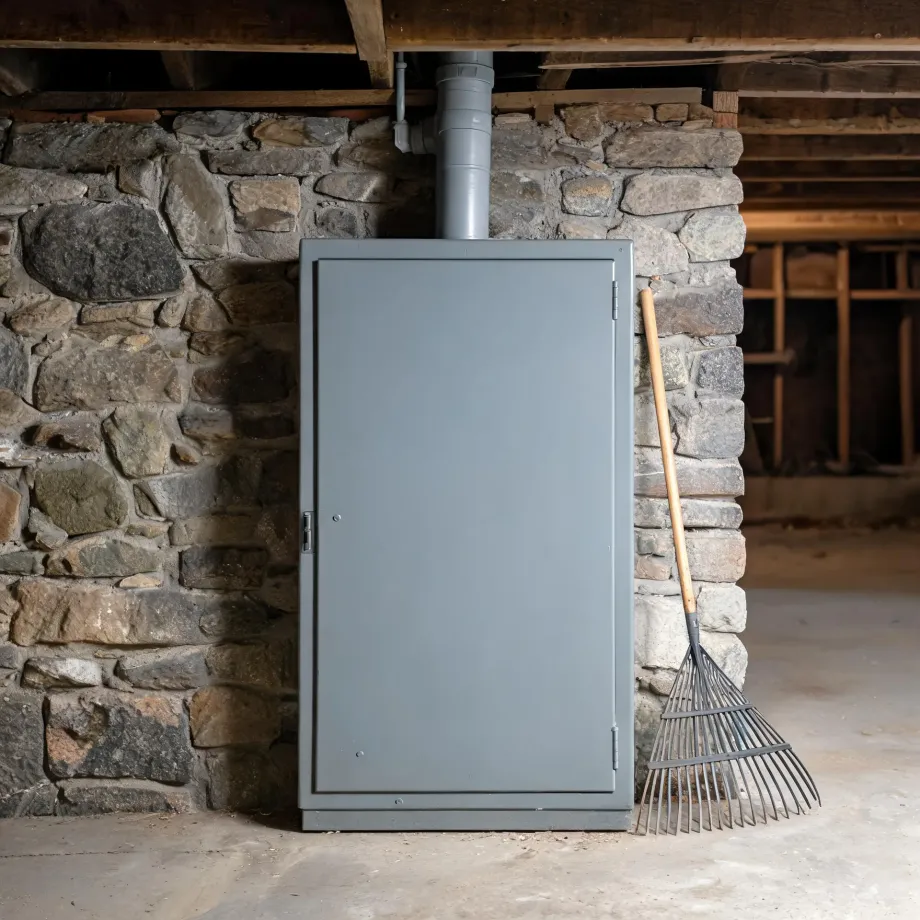
Sediment, corroded fittings, and fatigued supply lines are what a contractor opens a water heater to find in this region, and they show up because the plumbing around the unit has been there long enough to accumulate them across more than one heater's lifespan. Half the homes in Lower Connecticut River Valley Planning Region, Connecticut were built in 1972 or earlier (2020-2024 ACS 5-year). That kind of history means a quoted repair can widen once the unit is open: a failed element is straightforward, but the shutoff valve that will not seat, or the anode rod worn to bare steel, turns a single-part call into a longer visit. Parts for common tank units remain available, so availability is less often the constraint than the condition of what surrounds the heater.
The Parts of a Water Heater a Contractor Checks First
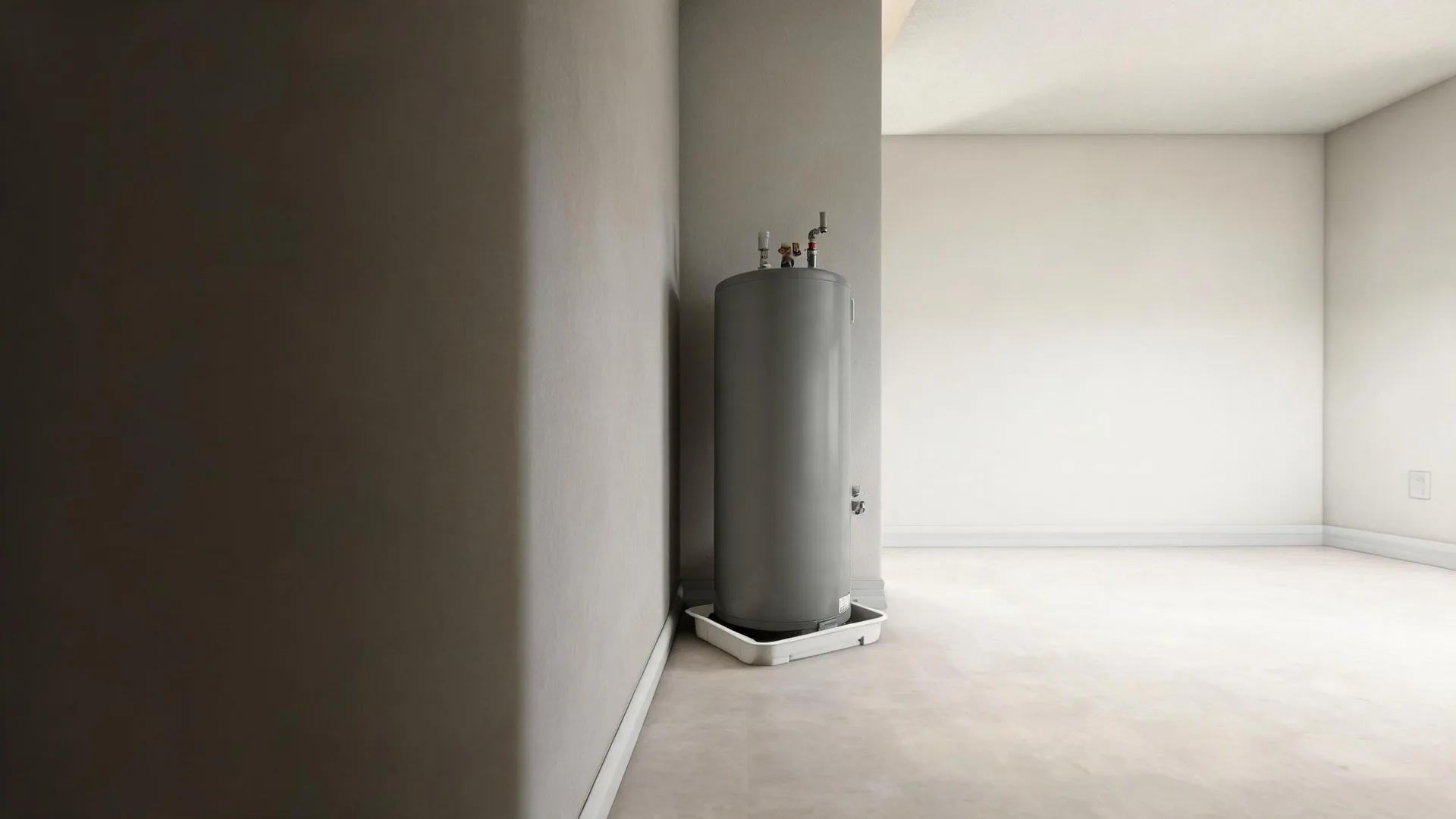
The tank is the piece a homeowner notices first, usually standing in a basement, utility closet, or garage. It holds and heats the water supply for the house. When it fails, the signs show up as no hot water, water that runs warm then cold, or pooling water on the floor around the base.
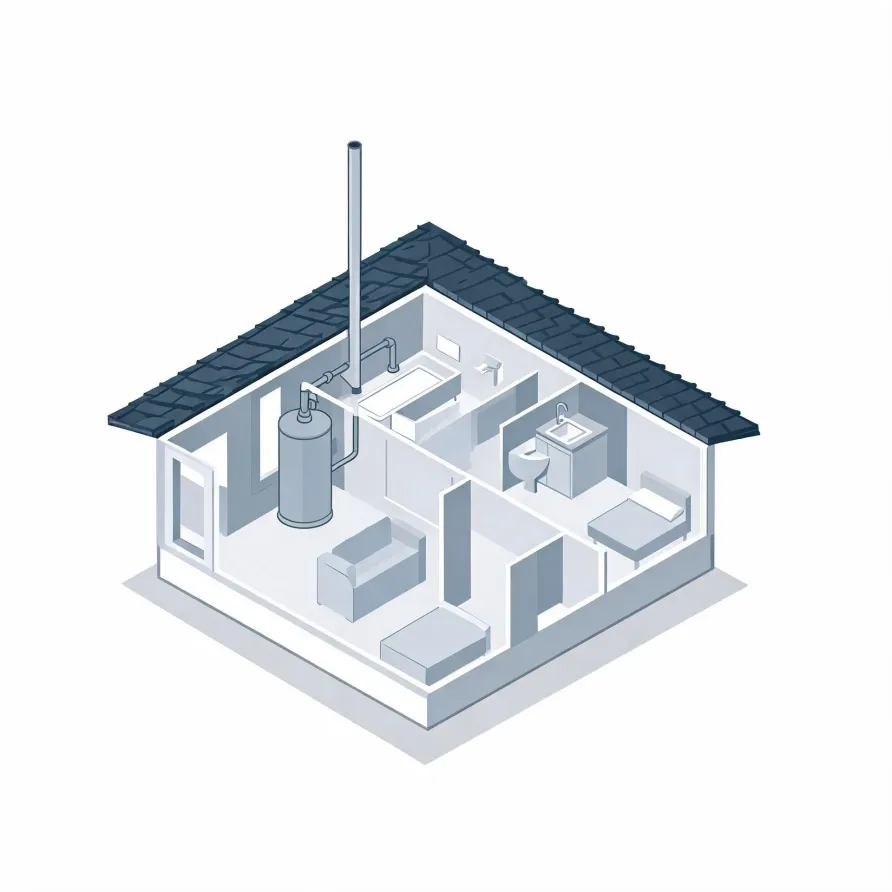
The burner assembly or heating element sits inside or beneath the tank depending on whether the unit runs on gas or electricity. The pressure relief valve mounts on the side and opens automatically if internal pressure climbs too high. The anode rod runs down through the top of the tank and slows corrosion from the inside out. Each of these is a place a contractor examines when something is off.
The drawing shows a general layout of these components, and a licensed contractor determines what applies to the specific unit and setup in your home.
Find a contractor in Lower Connecticut River Valley Planning RegionLower Connecticut River Valley Planning Region, by the numbers
Half the homes in Lower Connecticut River Valley Planning Region, Connecticut were built in 1972 or earlier (2020-2024 ACS 5-year).
U.S. Census Bureau, 2020-2024 American Community Survey 5-Year EstimatesLower Connecticut River Valley Planning Region, Connecticut holds 82,963 housing units (2020-2024 ACS 5-year).
U.S. Census Bureau, 2020-2024 American Community Survey 5-Year EstimatesOwners occupy 75.8% of the occupied homes in Lower Connecticut River Valley Planning Region, Connecticut (2020-2024 ACS 5-year).
U.S. Census Bureau, 2020-2024 American Community Survey 5-Year Estimates